1. Understanding Your Business Needs
Identify Core Requirements
When I first started exploring CRM options, it was all about understanding what I truly needed. You don’t want to just dive in without a clue—trust me! Think about your sales processes, customer communication, and the marketing strategies that are fundamental to your success.
Make a list! I found that jotting down key functionalities—like lead tracking, reporting capabilities, and integration with existing tools—helped immensely. It’s like creating a blueprint for success, ensuring you don’t end up with something fancy that doesn’t actually help.
Every business is unique. So, really take some time to lay out what success looks like for you and your team. Figure out what your practical needs are first; this will come in super handy later on when weighing your options.
Assessing Team Usage
Let’s face it, if your team isn’t on board, even the best software can flop. In my journey, getting buy-in from the team early on was critical. I made it a point to involve them in the discussion right from the get-go.
Understanding how they interact with customers and what kind of information they need is gold. This step helps identify features that will be essential for them and ensures that the software will be user-friendly enough for everyone involved.
Plus, let’s be real—no one wants to learn a convoluted system. I focused on streamlining things, and mentioning their pain points helped me narrow down what kind of interfaces and functionalities would work best for us.
Future Growth Considerations
HR, finance, sales—if you’re like me, you might have a lot of moving parts in your business. So when reviewing CRM options, I always consider how flexible the software is regarding growth. Will it evolve as your business grows?
I can’t stress enough how vital scalability is; you don’t want to outgrow your tools too soon. Look for systems that can handle increased data and expanding functionalities so you don’t have to go through this whole process again in a year.
So, investing in a flexible system not only streamlines processes but also saves you time and money in the long run—definitely a win-win situation!
2. Budgeting for CRM Solutions
Understanding Costs
When it came to my CRM decision, one of the most awkward yet necessary conversations was about pricing. Budgeting isn’t just about the initial cost; you’ve got to consider licenses, subscription fees, and potential add-ons. It can get complicated fast!
Read the fine print, folks. I once skipped this and almost landed myself in a sticky situation. Always look at the total cost of ownership rather than just the upfront costs, because hidden fees can add up quickly.
If possible, reach out to customer service representatives to clarify ongoing costs. They can give you the lowdown on what to expect. Sometimes it’s worth spending a bit more if the service or features make a significant difference.
Evaluating ROI
When considering costs, I’ve always made it a point to brainstorm the ROI. Ask yourself, how will this investment yield returns in the form of increased sales or productivity? For instance, automating follow-up emails or sales tracking could save hours of manual work.
It helps to calculate what a time-saving tool means in terms of efficiency gains and customer retention—it’s a game-changer. In my experience, sometimes a larger initial investment leads to massive gains if it improves your client relations significantly.
So, keep your eyes on the potential value, not just the dollars! Remember, this software is an investment in your future—not just another bill.
Consider Long-term Financial Commitments
One of the lessons I learned the hard way was not to overlook long-term financial commitments. Seriously, these can tie you down like a rock on the shore! It’s crucial to analyze whether you’re comfortable with monthly fees versus one-time payments.
Also, think about contract lengths. If you’re locked into a contract for two years, but the software doesn’t meet your needs after six months, that can be a headache. I always look for flexible options or trial periods that allow me to test-evaluate without the strings attached.
Just like your business adapts to the environment, your software should, too. Ensuring there’s room to pivot as needed makes a huge difference in the long run!
3. Evaluating Features and Integrations
Must-Have Features
Alright, let’s get to the fun stuff—features! I believe features are a main consideration. You don’t want bloated software loaded with tools you’ll never use. I focused on must-haves that aligned with my identified needs!
For example, having robust analytics and reporting helped me find trends in customer behavior and refine my strategies. Another key feature? Mobile access! I often found myself on the go and needed those insights at my fingertips.
So, write down what features are essential for your operation. This will streamline your research significantly and help in your discussions with sales teams later on!
Integration with Existing Platforms
Next up—integrations. If there’s one thing I’ve learned as I grew my business, it’s that I don’t want to replace tools I’m already using. I worked out my current tech stack and highlighted which systems needed to play nicely with the new CRM.
Will Sage integrate with your email marketing platform or your e-commerce site? That’s a big deal! I made it a point to test this during the trial phases, and it’s been super helpful to send data back and forth without the headache of manual data entry.
So be proactive—ask for integration options and understand the capabilities of the software! If they can’t integrate with what you already have, that might be a red flag!
User Experience and Interface
Let’s be real again—if you can’t figure out how to use the software, it doesn’t matter how many great features you’ve got. User experience can make or break your investment. I really appreciated clean, intuitive interfaces that didn’t feel overwhelming.
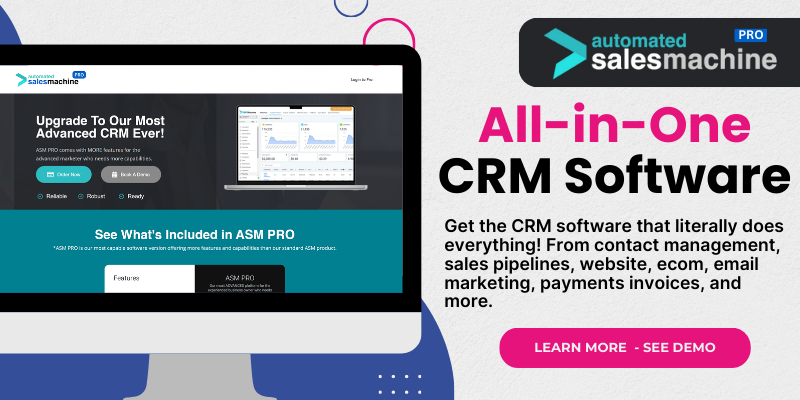
Consider asking for a demo or trial period where you can explore the dashboard. Dive in and imagine using it daily. If it feels clunky or confusing, that’s a solid indicator to keep shopping around.
Also, encourage feedback from your team. They’ll be the primary users, and their comfort level is crucial. Active engagement with the software helps streamline operations overall!
4. Customer Support and Training Resources
The Importance of Support
From a user’s perspective, I can’t tell you how vital customer support can be. If something goes wrong, you need a reliable team to help you resolve it, fast! During my evaluation of Sage, I looked into their support structures—what were the options, and how responsive were they?
Check if they have live chat, phone support, or even an extensive knowledge base. The last thing I wanted was to be left hanging when problems arose. Good support often means you can maintain productivity without major breakdowns.
Don’t hesitate to reach out during your consideration phase and ask questions. You’ll get a feel for how dedicated they are to helping their customers, which is crucial for long-term success.
Access to Training and Resources
Training also plays a key role. Consider how much onboarding support is offered and what educational resources you can take advantage of. I found online tutorials, webinars, and user guides to be incredibly beneficial; they help to accelerate the learning curve.
The better trained my team is, the more confident they feel. That’s when the magic happens! When people know how to navigate the software efficiently, it empowers them to work faster and smarter.
Always ask about the training materials they provide as well. Access to learning resources means that as features get updated, your team stays ahead of the curve.
Feedback Loop
Lastly, develop a feedback loop with your support team. I always found it super handy to reach out when I had suggestions for features or noticed bugs. A software that values input from its users often adapts and grows, leading to excellent user experiences.
Ask if they’re open to customer feedback. Companies that really care about their product’s evolution tend to generate considerable trust and satisfaction among their clients.
In the end, it’s all about building a relationship—not just a transaction. Your ongoing feedback can shape the software for everyone’s benefit!
5. Customer Reviews and Reputation
Researching Reviews and Testimonials
Whenever I’m on the hunt for a CRM, diving into customer reviews is one of my first stops. Real users provide insights that can be far more illuminating than marketing collateral. Honestly, I’ve learned to trust other users’ stories when it comes to their experiences!
Look up reviews on platforms like G2 Crowd or Capterra; they usually have a bunch of feedback that can help gauge how effective the software is in everyday settings. Pay attention to the common praises or complaints because patterns tend to emerge.
Stay cautious though—they can be biased too. If reviews seem too over-the-top or excessively negative, dig deeper. Look for more nuanced takes to get the full story.
Industry Reputation
Consider Sage’s position in your industry, too. Are they a well-regarded player? If they have strong standing and a positive reputation among peers, that gives you more assurance that they’re going to treat you well as a customer.
I always check if they’ve received awards or if industry leaders recommend them. Sometimes this kind of information can be a strong signal of reliability and performance.
Don’t hesitate to ask colleagues or industry connections about their experiences—word of mouth can be invaluable. If someone you respect swears by them, that’s definitely something to take note of!
Analyzing Responses to Negative Feedback
It’s easy to highlight the good, but I think it’s just as important to see how a company handles criticism. Look at their responses to negative feedback; resilient companies often engage with displeased customers and strive to fix their concerns.
If you see a pattern where they acknowledge issues and work to improve, that sends a positive signal. A company that actively works on solving problems rather than shunning customers shows a commitment to their client base.
In conclusion, don’t skip this step; due diligence pays off. Evaluating their reputation and how they interact with their customers can provide a wealth of knowledge before making a decision.
Frequently Asked Questions
1. What should I look for when considering Sage CRM?
You should evaluate your business needs, budget, features, customer support, and the overall reputation of Sage. Each business is unique, so identifying what aligns with your goals is essential.
2. How does Sage CRM support future growth?
Sage CRM offers scalable solutions, which means as your business grows, the software can adapt to fit your expanding needs without requiring a complete overhaul.
3. What are the costs associated with Sage CRM?
Costs can include subscription fees, licensing, and potential add-ons. Be sure to clarify these details to understand the total cost of ownership.
4. Can Sage CRM integrate with other tools?
Yes, Sage CRM is designed to work with various platforms, but it’s important to verify if it integrates with the specific tools you use.
5. How can I ensure my team will use the software effectively?
Be sure to take advantage of training resources and support that Sage provides. Encourage team feedback and involvement in the process to foster a smooth integration.