


Last updated September 16, 2026
Choosing the right tool is no longer about picking a simple database. It is about finding a central hub for your entire business. Industry data shows that modern systems now act as autonomous agents. This list covers the most effective ways to use an integrated AI operating system to cut out tech bloat. Stop paying for tools you don’t use.
| CRM Capability | Business Impact | Key Benefit |
|---|---|---|
| AI Agents | 24/7 Lead Qualification | Instant speed-to-lead without hiring |
| Marketing Automation | Multi-channel Nurturing | Consistent follow-up on autopilot |
| Unified Inbox | Omnichannel Support | No missed messages across social/SMS |
| Pipeline Management | Revenue Forecasting | Clear visibility of sales bottlenecks |
1. Consolidate your tech stack into a single AI operating system to reclaim lost revenue.
Integrating your tools into one system is the most effective way to manage company relationships. Most businesses struggle with a "duct-taped" tech stack. They pay for separate email, booking, and database tools. This fragmentation forces manual data entry. It creates gaps where leads disappear. Fully integrated CRM systems address every phase of the customer lifecycle (rather than just acting as a storage bin). When you unify these tools, you stop the "data tax" of moving information between disconnected apps.
At ASM, we built a native AI operating system that replaces these disparate subscriptions. Instead of fighting with Zapier to connect five different tools, you get one source of truth. You get marketing, sales, and service in one spot. This consolidation saves hours of time and thousands in monthly fees. By centralizing operations, every team member sees the same customer history. This eliminates the friction that usually slows down a growing company.
2. Move to a flat-rate pricing model with unlimited contacts to scale your database for free.
SaaS is the standard delivery model for modern platforms, yet many providers penalize your growth with hidden fees. Legacy software like HubSpot or Salesforce often implement a "success tax." Your bill increases every time you add a few hundred contacts. This model forces you to delete old leads just to save money. That is a disaster for long-term nurturing. Modern platforms are moving toward flat-rate models that support growth without the overhead creep.

Restricted growth is a relic. That is why ASM offers a $150/mo flat price point that remains consistent as your database becomes larger. You can add as many team members as you need. No "per-seat" monthly fees exist here. This predictability is vital. It means you can focus on building a massive list for email and SMS marketing. You won’t have to check your bank balance every time a new lead signs up.
3. Deploy autonomous AI agents to qualify leads and book appointments 24/7.
AI Agents act as autonomous digital workers. They qualify leads, schedule calls, and handle customer service around the clock. The era of the static website database is over. Modern CRM systems can now act as autonomous agents, handling end-to-end tasks. These agents represent a massive leap. They can detect buying signals from a text message or a web chat and respond in seconds. This "speed to lead" is the difference between winning a contract and being ignored.
The ASM Booking Studio takes this further by assisting with appointment setting. Our native bots handle the back-and-forth of scheduling. They check your calendar and confirm times. This reduces your overhead significantly. Instead of hiring a virtual assistant to manage intake forms, the software handles the qualification process autonomously. Your sales team only spends time talking to leads who are already vetted and ready to buy.
4. Manage Facebook, Instagram, SMS, and Email in one unified inbox.
Centralizing communications ensures that no lead falls through the cracks. It doesn’t matter what platform they use to reach out. Fragmented communication kills sales. A lead might DM you on Instagram, follow up via email, and then send a text. In a traditional setup, these conversations are scattered across three different apps. Centralizing these interactions is key to preventing missed opportunities.
The ASM Unified Inbox strategy brings together Facebook Messenger, Instagram DM, SMS, email, WhatsApp, and Google Business Profile chat into a single thread. Your team can collaborate on a conversation regardless of the original channel. You no longer have to hunt through different platforms to see what a customer said two weeks ago. By having the entire customer history in one view, you provide elite service.
5. Use visual no-code workflow builders to automate multi-channel drip campaigns.
Marketing automation used to require a degree in computer science. The best CRM software in 2026 uses visual node-based builders. These tools allow you to map out customer journeys using simple logic. You can combine email, ringless voicemail, and SMS into a single automated sequence that reacts to user behavior. Multi-channel approaches are essential to reach customers where they are most active.
Within the ASM platform, you can replace expensive tools like ActiveCampaign with our native automation nodes. If a lead clicks a link in an email but doesn’t buy, the system can automatically send a follow-up SMS ten minutes later. You can set "wait" steps and conditional logic to keep your messaging relevant. This automation keeps your brand top-of-mind without you manually hitting "send" on every follow-up. It turns your marketing into a machine that works while you sleep.
6. Track the precise ROI of every marketing dollar with pipeline management.
Kanban is a visual system for managing sales pipelines. It shows leads moving through stages like "Discovery" or "Closed." If you do not know where your leads come from, you are wasting money. This visual system makes it easy to spot bottlenecks. If fifty leads are stuck in the "Qualified" stage, your follow-up process needs help. Assigning lead values to these opportunities is the best way to forecast monthly revenue.
Our CRM and pipeline tools allow you to drag and drop leads between stages. This triggers automated actions at every step. Moving a lead to the "Contract Sent" stage can automatically generate an invoice. This visibility is crucial for agencies and small businesses. It moves you away from "gut feelings" and into data-driven decisions. You can see exactly which campaigns produce revenue rather than just vanity metrics like clicks.
7. Automate reputation management to boost local SEO rankings.
Local search rankings are heavily influenced by the volume and frequency of your reviews. However, manually asking every customer for a review is tedious. It is often forgotten. High-performing CRMs now include automated reputation features. By triggering a review request via SMS immediately after a service is done, you catch the customer at their peak satisfaction point.
ASM simplifies this by offering AI-powered replies to acknowledge positive reviews and flag disputes for negative ones. This consistent flow of fresh feedback tells search engines your business is active and trustworthy. It is a hands-off way to improve local SEO. Instead of checking Google Business Profile every day, the system handles the outreach and the initial response.
8. Host your entire online presence (from funnels to courses) on one platform.
Building a website on WordPress or Wix often leads to integration headaches. You need plugins for your CRM, plugins for your forms, and plugins for your courses. This creates more points of failure. Modern hubs now include full online presence management. By hosting your funnels and courses on the same platform as your CRM, user data flows perfectly between sales pages and contact records.
If you are looking for a high-converting WordPress alternative, ASM provides a drag-and-drop builder for websites. You can even host secure membership areas for digital products without third-party plugins. This integration allows for one-click upsells during checkout. This directly increases average order value. When your website and CRM are the same tool, you eliminate the technical errors that occur when data jumps between platforms.
9. Eliminate data silos between departments by using a fully integrated CRM hub.
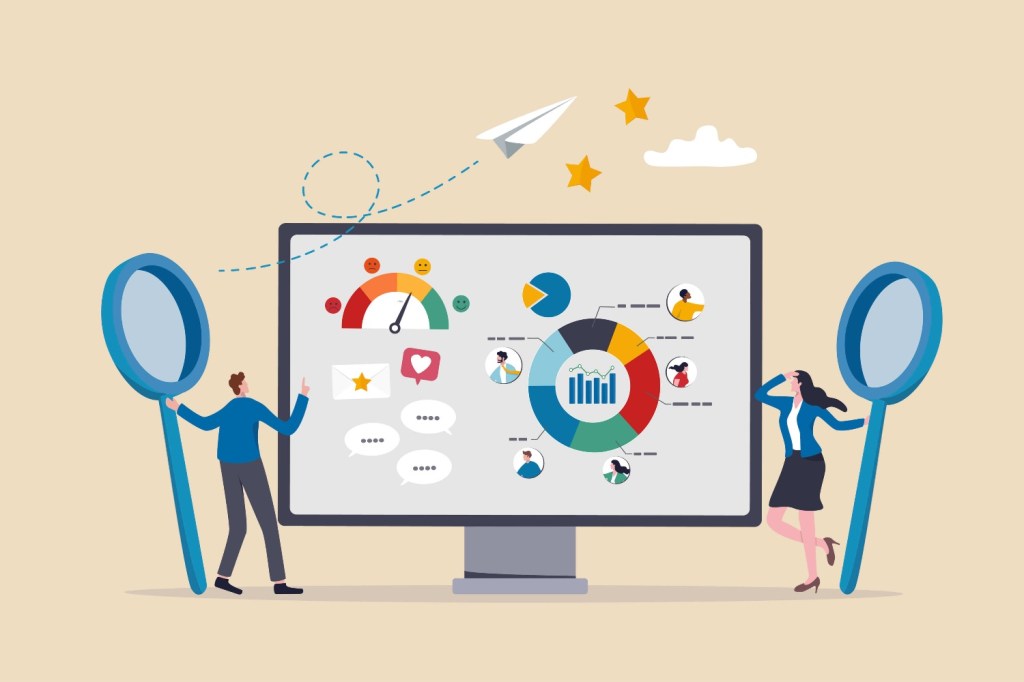
Image source: salesforce.com
Data silos cause inefficient sales processes and lost leads. When marketing uses one tool and sales uses another, context is lost. Marketing might send a lead over, but the sales rep does not know what emails the prospect opened. This lack of visibility kills deals. A fully integrated hub ensures that everyone from customer service to the CEO sees the same data in real-time.
Using AI Agents for support within the ASM ecosystem allows your service reps to see exactly what a customer bought. Professionals at Lightz Out Studios know that a professional image and professional data management go hand-in-hand. You no longer have to worry about broken Zapier connections. This unity reduces the cognitive load on your staff. They do not have to switch tabs to find a customer profile.
10. Use AI to automate quotes and invoicing for faster closing.
The time between a lead saying "yes" and the invoice being paid is a danger zone. The longer it takes to generate a quote, the more time the prospect has to second-guess. Modern CRM examples integrate billing directly into the workflow. This allows you to generate estimates and invoices without ever switching to accounting software.
ASM integrates with gateways like Stripe to collect payments instantly. You can set up automated follow-up reminders for unpaid invoices to improve cash flow. Because invoicing is part of the CRM, the system can automatically move a lead to the "Paid" stage in your pipeline the moment the transaction clears. This eliminates the manual task of updating statuses and ensures your sales data is always accurate.
11. Perform automated survey and satisfaction checks to maximize customer lifetime value.
Customer retention is just as important as acquisition. Automated survey software allows you to stay in touch with your clients’ needs without manual outreach. You can deploy satisfaction surveys after key milestones. Identifying your most loyal advocates based on this data is the best way to build a referral program. Modern tools allow you to track sentiment trends over time. This ensures your product market fit remains strong as the industry evolves.
With ASM, you can trigger "re-engagement" workflows if a customer has not interacted with your business in a month. This proactive approach helps you catch churn before it happens. If a survey response is negative, the system flags it for a manager. This ensures customers feel heard and valued. It turns them into long-term partners rather than one-time buyers. You can even use these insights to refine your automated responses.
12. Sync offline and online sales data to maintain a holistic customer journey.
Bridging the gap between physical and digital interactions is the final step in achieving a complete view of your business. Many businesses struggle to connect real-world events with digital data. If a customer visits your physical location or calls your office, that interaction needs to be logged. A holistic journey requires syncing all touchpoints. Modern field service clinics that offer this technology allow personnel to update lead status while on the go. This ensures marketing is not sending "introductory" emails to someone who has already visited your store.
Whether they are at a trade show or a client’s home, team members can log notes and trigger automations instantly. This keeps sales and marketing aligned in real-time. By tracking offline interactions alongside digital ones, you get a 360-degree view of your business performance. You can score leads based on total engagement, not just online activity.
How to Migrate from a Legacy CRM to an AI Operating System

Migrating from a legacy system like HubSpot or Salesforce is a necessary step to eliminate tech bloat. Start by auditing your existing stack to find overlapping costs. You will likely find three different tools doing the same thing. Export your contacts and deal history into a clean CSV format. Make sure your custom fields are mapped correctly so no data is lost. This is the ideal time to prune your database and remove inactive users.
Once your data is ready, use a unified platform like ASM to replace individual tools for email, SMS, and scheduling. This is the moment to set up native AI Agents to handle lead qualification from day one. Instead of just moving old habits to a new platform, use the migration to automate manual processes. This transition is the best time to clean up your database and implement an efficient, AI-driven workflow for the future.
Measuring Success: AI Agents vs. Human Response Times
The most important metric for modern sales is "Speed to Lead." While a human might take 30 minutes or several hours to respond to a new inquiry, AI agents typically respond in a matter of seconds. This reduction is the primary reason businesses are switching to automated systems. Monitor your booking rates from web chat and SMS to see how autonomous scheduling impacts your calendar. Leads are much more willing to book when the process is instantaneous.
Beyond the numbers, look at the reduction in cognitive load for your team. When routine intake is automated, your sales staff can focus on high-value conversations. Finally, analyze the cost savings of flat-rate pricing. When you compare the ASM model to the success tax of per-contact models, the financial benefit of unlimited contacts is clear. Success is both the growth of your revenue and the reduction of operational complexity through better integration.
What are some examples of CRM software for sales automation?
Sales automation CRM examples include platforms like ASM, Salesforce, and HubSpot. Key features include visual Kanban pipelines, automated lead scoring, and triggered email/SMS workflows. Modern systems also incorporate AI Agents to handle autonomous scheduling and follow-up, ensuring that no leads are left cold while waiting for a manual response.
linux crm software
Linux CRM software is typically accessed via cloud-native SaaS platforms that run in any modern web browser. For modern business needs, many companies have moved from local Linux installations to unified AI operating systems. Cloud-based examples like ASM eliminate the need for manual server maintenance or complex Linux package management, making them accessible to any user regardless of OS.
crm offline software
CRM offline software allows users to access contact data and update lead status without an active internet connection, syncing once reconnected. Mobile CRM apps now provide offline modes for field sales teams to manage their pipeline on the go. Modern platforms use local caching to ensure data is never lost during transit, even in areas with poor cellular service.
What is the benefit of all-in-one marketing software for growing businesses?
Consolidating into an all-in-one marketing CRM eliminates data silos. It reduces the technical debt of maintaining multiple Zapier connections and third-party plugins. A single "Unified Inbox" ensures no customer communication is missed across social and SMS channels, providing a consistent experience for every prospect that enters your sales funnel.
Frequently asked questions

How do modern CRMs handle lead generation?
Modern systems use AI lead generation software to identify high-value prospects through behavior tracking and lead scoring. These tools can automatically trigger outreach via SMS or email the moment a prospect shows interest. By integrating funnels directly with your CRM, you capture data instantly without manual imports, allowing your marketing to respond to real-time signals.
What should I look for in customer satisfaction software?
The best customer satisfaction software integrates directly with your sales history to trigger surveys at the right time. Look for automated survey software that sends NPS requests via SMS for higher open rates. High-performing platforms like ASM use these responses to automatically segment customers into advocates or those needing attention, which helps reduce churn rates.
Can a CRM replace my current email marketing tool?
Yes, modern all-in-one platforms often include blast email software that rivals standalone tools. When you use an integrated system, your email marketing has direct access to all your CRM data. This allows for more personalized campaigns and better tracking of how emails contribute to closed deals, all within a single interface without extra fees.
Why is a flat-rate pricing model better for CRMs?
A flat-rate model prevents the "success tax" where you are charged more as your business grows. Platforms that offer unlimited contacts and users allow you to scale your database and team without increasing monthly overhead. This is helpful for businesses with long sales cycles that need to nurture leads over months or years without deleting data.
How does a unified inbox improve team collaboration?
A unified inbox brings all social media, SMS, and email messages into one stream. This allows multiple team members to view and respond to the same conversation without overlap or confusion. It ensures an Instagram question is treated with the same priority as an email, with all history stored in a single contact record for full context.
Is it hard to set up AI Agents?
Modern AI operating systems use no-code builders to make setup simple for any business owner. You can train an agent on your business information in minutes, allowing it to handle lead qualification and appointment booking autonomously. This technology is accessible for small business owners without a background in programming or heavy technical knowledge.
When you’re ready to evaluate a new platform, you might consider how it compares to other market leaders by reviewing Brevo features and email tools to understand the different builders available.
To start consolidating your tech stack and eliminating software bloat, you can get started with our all-in-one platform today.