


Last updated September 14, 2026
Selecting the right free marketing automation tools requires looking past the ‘zero dollar’ price tag to see the hidden contact limits. We analyzed the top-tier options for 2026. We focused on which platforms provide genuine utility and which ones lead to a ‘duct-taped’ tech stack that inevitably breaks as you scale.
Key Marketing Automation Tool Facts
| Tool | Primary Free Benefit | Best For | Limit Consideration |
|---|---|---|---|
| ASM | Flat pricing ($150/mo) | All-in-one growth | Unlimited contacts |
| Brevo | Unlimited contacts | High-volume lists | 300 emails per day |
| HubSpot | Free CRM & Landing Pages | Lead tracking | Paid features are gated |
| Omnisend | E-commerce automation | Shopify/Retailers | 500 emails per month |
| Systeme.io | Course/Community tools | Digital creators | 2,000 contacts |
| MailerLite | Multi-step workflows | Newsletter growth | 1,000 subscribers |
1. ASM provides an all-in-one AI operating system that eliminates the contact-based pricing trap.
ASM is a comprehensive CRM and automation platform. We offer a flat monthly rate to prevent the escalating costs typical of free-to-premium software. Most free tiers are actually entry points for aggressive upselling. Once your list grows, those "zero dollar" platforms often become a financial burden. We built ASM to solve this by offering a flat pricing model at $150 per month. This includes a simplified approach to contact management and user access. Forget per-seat fees. Instead of managing five different subscriptions, you get a Visual Kanban CRM with drag-and-drop boards to track opportunities. This feature is often locked behind expensive enterprise tiers in other software.
Our system integrates reputation management directly into your marketing workflows. You can automate Google and Facebook review requests without extra plugins. Efficiency matters. This unified approach ensures your data stays in one place rather than being scattered across a broken system. By centralizing your CRM and automation, you avoid the integration failures common in a duct-taped stack. We keep your growth costs entirely predictable.
2. Brevo offers a generous free tier for those focused on volume rather than contact limits.
Brevo is a specialized email service provider that offers a free plan based on daily sending volume rather than the total size of your database. 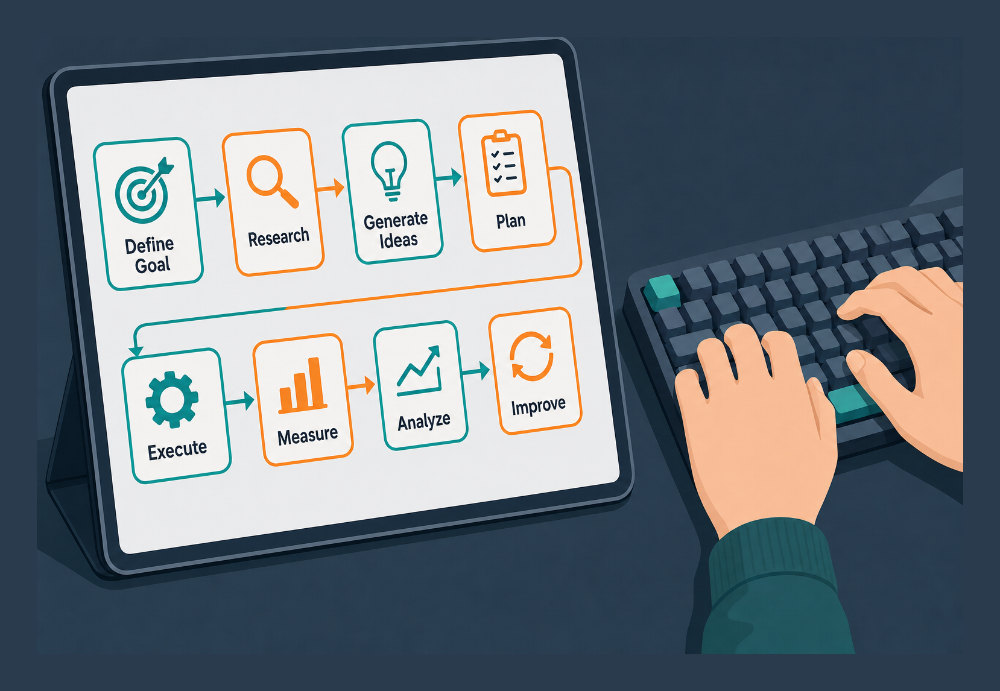 Brevo stands out because it focuses on daily sending limits. Their free plan includes 300 email sends per day. This is ideal for small businesses that need consistent outreach but don’t want a penalty for having a large prospect list.
According to Zapier’s 2026 Marketing Automation Guide, Brevo allows for unlimited contacts even on the free version. This is rare. Most providers charge per thousand names. The platform includes a visual workflow editor that supports automated sequences. It is a strong contender for those who need basic lead nurturing without the immediate threat of a massive bill as their subscriber count increases. However, if you require a high volume of daily sends, you will quickly find the daily cap limiting for high-volume sales activities. 300 emails won’t cut it for a major blast.
3. HubSpot Marketing Hub provides a free entry point for landing pages and basic lead tracking.
HubSpot is a major provider of software that helps businesses organize their initial lead generation efforts via a cloud-based CRM. They are often the first stop for businesses looking for a free CRM and marketing starter kit. Their free tier provides a drag-and-drop landing page builder and basic form creation tools to help you capture incoming traffic immediately. It is useful for basic organization. You get foundational analytics to see how your leads interact with your content.
Entry prices look good on paper. However, users should be aware that many sophisticated features are gated. The free version serves as a gateway to premium tiers. These become very expensive as you scale your operations. For those who just need to get a single landing page live and track a handful of contacts, it is a functional starting point. The long-term cost of unlocking advanced automation logic leads to significant software bloat. We recommend avoiding the "HubSpot Tax" if you plan to grow past a few dozen leads.
4. Omnisend specializes in free automation specifically for e-commerce store owners.
Omnisend provides an all-in-one marketing platform for retailers that integrates email, SMS Marketing, and push notifications to drive sales. If you are running a shop, Omnisend offers specialized tools designed for retail growth. Their "Free Forever" plan includes 500 monthly email sends. This works well for micro-shops just starting to build their brand. The platform shines by providing pre-built automation workflows specifically for abandoned carts and welcome series. These recover lost sales without manual effort.
According to Zapier’s 2026 Marketing Automation Guide, the free tier also allows for SMS and web push notifications. This multi-channel approach is vital for e-commerce. The low volume limits mean you will likely need to upgrade as soon as your store gains any real momentum. Use it as a testing ground to see how automated triggers impact your conversion rates before committing to a larger marketing budget.
5. Systeme.io provides a free ‘all-in-one’ environment for community and course creators.
Systeme.io is a solution designed for creators that combines funnel building, email marketing, and course hosting in a single interface. 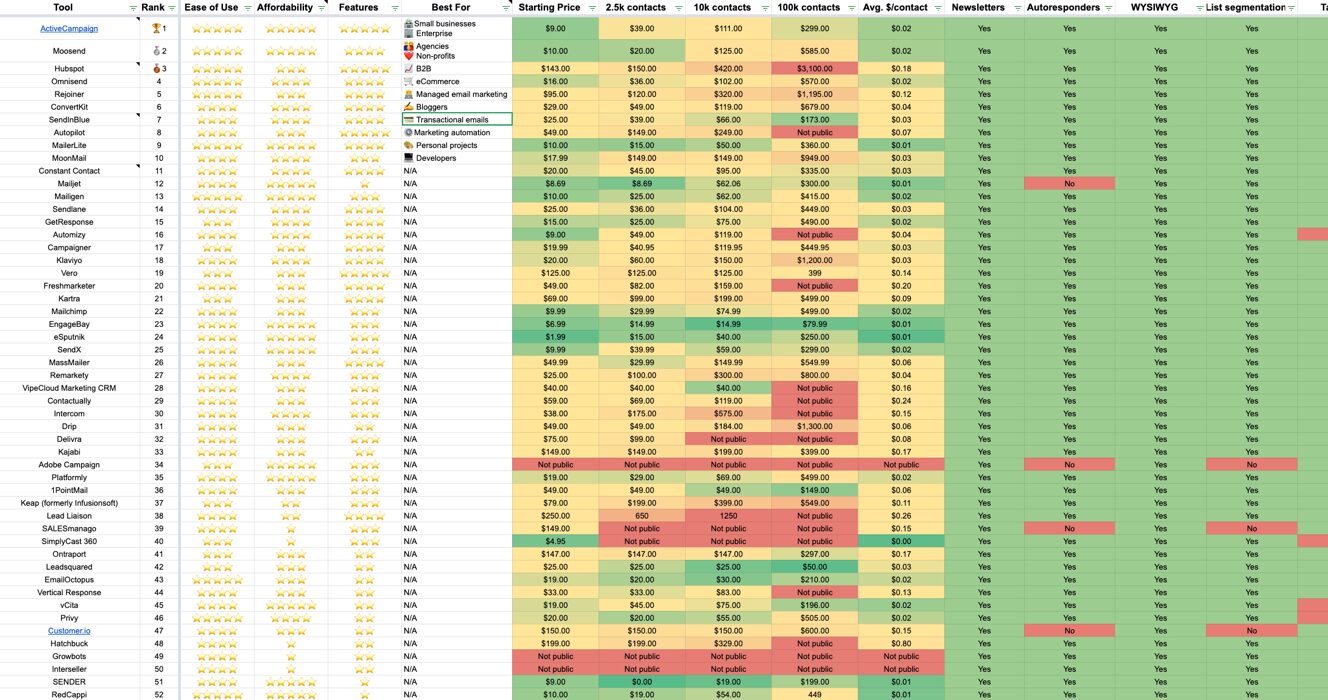 Image source: ventureharbour.com For digital entrepreneurs, Systeme.io offers a relatively high ceiling for a free platform. The free tier allows for 2,000 contacts and unlimited email sends. It includes tools to host one blog and one course. This is a viable option for those just launching a digital product or a membership site.
The platform features a visual funnel builder and basic automation rules to help manage the flow of new leads into your community. While it covers many bases, it can lack the deep CRM capabilities and multi-channel communication tools like ringless voicemail that a more robust Marketing Automation system provides. It is best suited for creators who need a simple, self-contained space to sell their knowledge without immediate overhead.
6. Gumloop allows for complex AI-driven automation using a canvas-based interface.
Gumloop is a modern SaaS tool that allows users to build AI-powered workflows without writing code by connecting various large language models. This represents a new wave of tools focusing on AI logic rather than just sending emails. Their free tier allows individual builders to experiment with AI agents using a visual node-based system. You can build logic for "Meeting Prep Agents" or other internal tasks that save hours of manual research.
The platform supports integrations with Large Language Models (LLMs) to automatically process and categorize incoming lead data. This is particularly useful for tech-savvy users who want to add an AI layer to their business processes without writing code. While it is powerful for data processing, it doesn’t function as a full sales platform on its own. You will still need a central CRM to actually store your contacts and manage your deals.
7. Klaviyo provides deep data-driven automation for small retail lists.
Klaviyo is a data-centric platform that leverages customer behavior to trigger highly personalized email and text campaigns. They built this for precision rather than sheer volume. Their free plan covers only 250 contacts and 500 email sends. The number is small. The power lies in the data. Even on the free tier, users get access to advanced segmentation and predictive analytics.
You can set up automated "flows" based on very specific user behaviors. One example is someone viewing a specific product category multiple times without purchasing. Zapier’s 2026 Marketing Automation Guide notes that this level of data-driven automation is usually a paid feature in other platforms. For a small retail business with a high-value product, this targeted approach can be very effective. However, the strict contact limit means that successful growth will very quickly force you into their paid tiers.
8. MailerLite is designed for users who need a visual, user-friendly automation builder.
MailerLite provides email marketing functionality for small businesses through a streamlined visual editor and automated subscriber sequences. 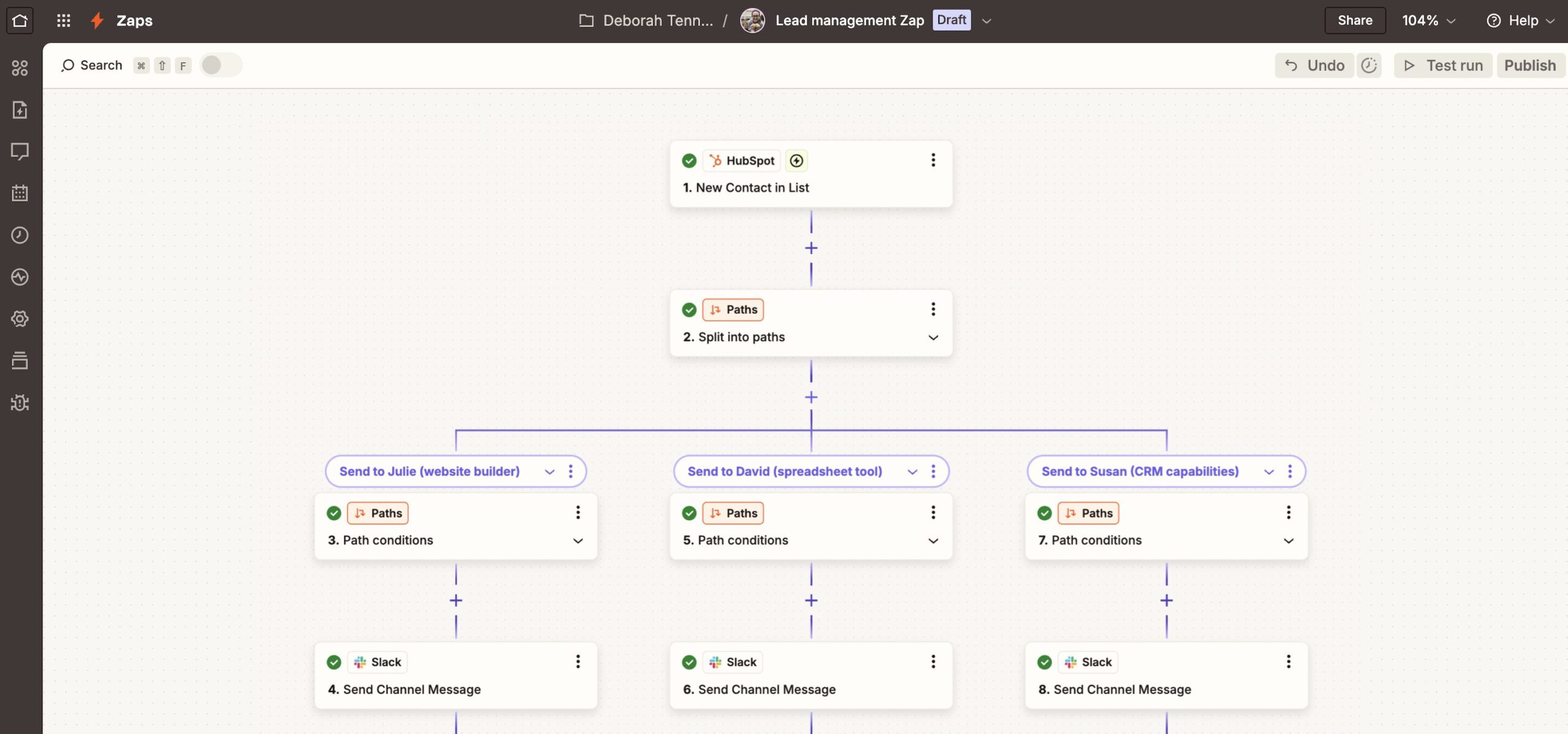 Image source: zapier.com MailerLite is a popular choice for creators because its free plan supports 1,000 subscribers. This makes it ideal for starting professional newsletters. The platform provides access to a clean drag-and-drop editor and a full website builder. You can create a cohesive brand presence from scratch.
According to Top Marketing Automation Tools for SaaS, one of its standout features is the inclusion of automation workflows on the free tier. Many other competitors restrict this to paid subscriptions. It allows you to build sequences that branch based on user behavior. While it excels at email simplicity, it lacks the broader multi-channel capabilities like SMS or reputation management found in more comprehensive systems.
9. Zapier acts as the free ‘glue’ to connect disparate marketing apps without code.
Zapier is a no-code automation platform that connects thousands of apps to sync data and trigger tasks across different software ecosystems. It is the industry standard for connecting software that does not naturally talk to each other. The free plan allows for 100 tasks per month. This serves as a starting point for basic cross-platform triggers.
The platform supports connecting a wide range of different applications to trigger specific actions. You can move data from a lead form directly into a CRM. This flexibility is useful for creating automation flows that handle administrative work. The task limit on the free tier is reached quickly if you have high lead volume. While it is excellent for connecting niche tools, relying on it too heavily can lead to a fragmented system. Using a unified platform like ASM can often eliminate the need for these third-party connectors entirely.
10. Bitrix24 serves as a free collaboration-heavy CRM with basic automation.
Bitrix24 is a platform that combines project management, client communication, and CRM tools for distributed teams. They are unique because their free plan supports unlimited users. This is highly beneficial for small, collaborative teams that need to stay organized without per-seat costs. It includes a basic task and project management suite integrated directly with the CRM.
According to Top Marketing Automation Tools for SaaS, the software provides limited lead automation rules for moving prospects through a sales funnel. The user interface can be complex for beginners to navigate. It serves well as a collaborative hub, but businesses looking for advanced marketing features like automated review requests or unified social messaging will find the free tier limiting. We suggest it for teams that prioritize internal task tracking over aggressive outbound sales.
11. Microsoft Clarity provides free behavioral automation triggers based on user heatmaps.
Microsoft Clarity is a behavioral analysis tool that provides free heatmaps and session recordings to help marketers optimize their solutions.  Image source: emailtooltester.com Clarity is a completely free tool that tracks user sessions and clicks without the limits often found in heatmapping software. It allows you to identify "rage clicks" or "dead clicks." These are critical indicators of where your website automation or navigation is failing.
The platform integrates with other marketing tools to trigger surveys or help prompts when users show signs of confusion. By visualizing how visitors interact with your landing pages, you can optimize your conversion funnels based on real human behavior. Guesswork is for amateurs. Although it does not send emails or manage leads, it provides the behavioral data necessary to make your existing automations more effective. It is a vital diagnostic tool.
12. Mailchimp remains a standard for basic email blasts with limited automation logic.
Mailchimp is one of the most recognizable email marketing platforms. They offer entry-level tools for audience segmentation and basic campaign automation. Their free tier includes basic email templates and a monthly send limit of 1,000 for new users. It provides a "Marketing CRM" for basic contact organization and tagging. This helps with simple list hygiene.
Top Marketing Automation Tools for SaaS points out that the free version gives access to a single-step "Classic Automation." This is typically used for sending one welcome email after a sign-up. While it is a reliable starting point for traditional email marketing, its automation logic is quite limited. As your list grows, the pricing scales rapidly. Many users find themselves needing more advanced multi-channel features that the base Mailchimp platform does not provide.
Why You Should Avoid the Duct-Taped Tech Stack
Using five different marketing automation tools free of charge creates a nightmare. Combining Zapier, Mailchimp, Calendly, Typeform, and Wix results in a "duct-taped" system that is prone to failure. Each integration point between these disparate apps represents a potential break. Data gets lost. High latency between your CRM and your messaging tools can result in leads receiving follow-ups hours too late. This kills conversion rates. Managing multiple logins and fragmented data sets prevents a unified, 360-degree view of your customer journey.
Consolidating these functions into a unified AI Operating System ensures that your messaging, funnels, and CRM work in perfect harmony. When your tools are natively integrated, there is no need for manual data transfers. You don’t have to troubleshoot complex third-party triggers. This streamlined approach allows you to focus on strategy rather than technical maintenance. To see how a consolidated system can simplify your workflow, you can start a free trial to test the efficiency of a truly integrated platform.
How to Measure the True Cost of ‘Free’ Marketing Tools
 The word "free" is often a lie. To understand the real impact, you must calculate your "Cost Per Contact" as your list grows. Many platforms that offer a free entry point feature steep price jumps. You might move from $0 to $500 per month once you cross a specific threshold, such as 5,000 subscribers. You should also audit the time your team spends troubleshooting broken connections. These hidden labor costs can far exceed a monthly subscription fee.
When you compare the feature sets of free tiers against a flat-rate model, the value of predictability becomes clear. The ASM flat pricing model offers a stable $150 per month investment. This remains the same regardless of how your contact list grows. We remove the financial penalty usually associated with growing your audience. By avoiding "per-seat" or "per-contact" fees, you can scale your marketing efforts with total cost certainty. A larger database should lead to higher profits, not higher software bills.
Frequently asked questions
Are there free marketing automation tools with unlimited contacts?
Yes, Brevo is the primary mainstream provider that allows for unlimited contacts on its free plan. Most other platforms, like HubSpot or Mailchimp, impose strict limits that force users into high-cost tiers as their list grows. For a long-term solution, ASM offers a flat-rate model that removes contact limits entirely for a fixed monthly fee.
What is the best all-in-one sales and marketing platform for small businesses?
The best platform is one that consolidates CRM, messaging, and funnels into a single operating system to avoid integration failure. An all-in-one marketing platform like ASM eliminates the need for separate subscriptions for email, SMS, and funnel builders. Choosing a unified system ensures that your automation sales workflows have access to all customer data in real-time.
Is there an insurance CRM free option?
While some CRMs like HubSpot offer free tiers, specialized insurance features usually require a paid, unified system that supports reputation management and automated booking. A true insurance CRM must handle multi-channel follow-ups, including SMS and ringless voicemail, which are rarely found in free software. Automating the claims or lead process effectively requires a Visual Kanban CRM to track policy stages.
Do all-in-one marketing solutions include social media?
Yes, modern platforms like ASM provide a unified inbox for Facebook, Instagram, and WhatsApp alongside traditional email and SMS. Consolidating these channels allows businesses to respond to leads from every platform in one central location. Unified messaging is a core component of modern Marketing Online Tools for Modern Business Growth.
Stop struggling with disconnected tools and contact-based pricing that punishes your success. Transition to a unified AI Operating System that scales with your business for one predictable flat rate. Improve your strategy by integrating your CRM, funnels, and multi-channel messaging into a single, high-performance machine today.