


Last updated September 14, 2026
Inside sales is the practice of selling products or services remotely rather than face-to-face, utilizing digital tools like CRM and video conferencing. By removing travel overhead, businesses can reduce selling costs by up to 60%. This roundup explores data-backed tactics for 2026 to help you build a high-velocity, automated remote sales engine.
1. Transition to remote selling to reduce customer acquisition costs by up to 60%
The most immediate benefit of an inside sales model is the aggressive reduction of overhead. Traditional field sales are weighed down by the heavy costs of travel, lodging, and client meals. By moving to a remote selling model, you eliminate these logistical drains. This allows those funds to be reinvested directly into lead generation or better technology. According to monday.com, this shift can slash acquisition costs by 40% to 60%.
Your team becomes exponentially more productive. Without a commute between meetings, reps can conduct significantly more virtual demonstrations per day compared to in-person visits. It is pure math. This increased volume allows you to scale into new geographic markets instantly. You no longer need to hire local reps or open physical branch offices to win business in another state or country. A reliable internet connection and a disciplined remote workflow are all you need to dominate territories that were previously out of reach.
2. Deploy an all-in-one sales and marketing platform to eliminate lead leakage

Shadow IT is a silent killer. It is a fragmented mess of separate subscriptions for email, SMS, and CRM that refuse to talk to each other. When your tech stack is duct-taped together, leads fall through the cracks during the handoff from marketing to sales. We solve this by consolidating every tool into a single visual dashboard. By using a flat-rate AI Operating System like ASM, you avoid the predatory per-user fees common with legacy platforms. We charge a flat $150 per month. This keeps your costs predictable as your team grows, regardless of how many seats you add.
Centralizing your operations ensures that marketing-qualified leads (MQLs) flow directly into your sales pipeline. No manual data entry. No lag time. As HubSpot notes, the integration of these functions is vital for maintaining a clean history of prospect interactions. When your reps can see every website visit and content download in one place, they approach every call with full context. No opportunity is wasted. To stop overpaying for disconnected tools, you can start your 14-day free trial and unify your entire stack today.
3. Specialized roles like SDRs and AEs can shorten your sales cycle
Scaling an inside sales engine requires moving away from the "lone wolf" model. Stop asking one person to handle every step of the journey. Instead, you should divide labor between Sales Development Representatives (SDRs) and Account Executives (AEs). SDRs focus entirely on the front-end grind: prospecting, initial outreach, and qualifying leads to ensure they actually have the budget and authority to buy. This "warming" process ensures that your most expensive talent isn’t wasting time on dead-end calls.
The handoff to an AE happens within a visual CRM once a lead is qualified. Pipeline velocity is tracked in real-time. This specialization allows AEs to focus exclusively on closing high-value deals and managing key accounts. It works. When everyone has a clear, narrow focus, the entire engine moves faster. The customer experience feels more professional because they are always speaking to a specialist prepared for that specific stage of the deal.
4. Integrate CRM data to outperform intuition-led selling strategies
Selling by "gut feeling" is a recipe for stagnation. To scale in 2026, you must lean on hard data to identify exactly where your funnel is leaking. By integrating your CRM data deeply into your daily operations, you can track precise metrics like call-to-meeting rates and email response percentages. This visibility allows you to move away from guesswork. You can build a repeatable sales playbook based on what actually works. Reviewing these CRM statistics every small business owner needs to know proves that data-driven teams consistently outperform their competitors.
A digital trail for every interaction lets you fix performance gaps in real-time. If a specific lead source has a high open rate but a low conversion rate, you can adjust your messaging immediately. Do not wait until the end of the quarter. Using automated triggers within your CRM allows you to respond to prospect behavior instantly. Your sales approach becomes reactive to the buyer’s needs rather than just following a static, outdated schedule.
5. Leverage virtual demonstrations to manage a massive pipeline simultaneously
The ability to conduct rapid, back-to-back product walkthroughs via video conferencing is the "unfair advantage" of inside sales. Physical logistics limit field reps. In a remote environment, those constraints disappear. A single rep can effectively manage a large volume of active opportunities. They can jump from a demo in New York to a closing call in California in the span of five minutes. High-volume pipelines are possible when you bypass physical travel, according to the monday.com guide to remote selling.
Speed up the post-meeting follow-up to make this work at scale. Instead of waiting to get back to an office, reps should share digital contracts and meeting recordings immediately. This keeps the momentum high. It prevents deal slippage. You can even take this further by using AI sales agents to handle the initial scheduling and basic questions. This frees up your human reps to spend their time on these high-impact virtual demonstrations where their persuasion skills matter most.
6. Maintain high personalization at scale through multi-channel digital touchpoints.

Scaling a B2B sales approach does not have to mean sacrificing the personal touch. To keep prospects engaged in 2026, you must reach them where they are most active. Combine email, SMS, and social messaging. A Unified Inbox is essential here. It consolidates all incoming streams (Facebook Messenger, Instagram DM, SMS, email, WhatsApp, and Google Business Profile chat) into one view. No message falls through the cracks. According to the HubSpot Inside Sales Definition, logging every digital interaction is the only way to ensure the next conversation is contextually relevant.
Automated nurture sequences let you stay top-of-mind without manual effort. These sequences can be programmed to trigger based on specific prospect actions, such as downloading a whitepaper or clicking a link. The system handles the repetitive "checking in" messages. Your team can focus on crafting bespoke responses for high-value inquiries. This multi-channel strategy ensures your brand remains visible across different platforms, creating a cohesive experience that builds trust.
7. Prioritize warm lead approaches to increase conversion efficiency over cold calling.
Cold calling is increasingly inefficient in a digital-first economy. Focus your energy on prospects who have already interacted with your marketing assets, quizzes, or website. By using CRM triggers, you can alert reps the moment a lead shows high buying intent. Maybe they visited a pricing page multiple times. This shift toward a warm B2B sales approach allows reps to enter conversations with data-backed insights rather than generic scripts.
Bridge the marketing-sales gap by automating the lead handoff process through node-based workflow builders. This ensures that every marketing-qualified lead is instantly routed to the correct representative with their full engagement history attached. As noted in the Coursera overview of sales roles, prioritizing these pre-qualified prospects leads to much higher conversion rates. Spend less time on disinterested leads. Spend more time on those already in the funnel. Your sales engine can achieve a higher velocity with the same headcount.
Moving from Intuition to Automated Triggers
Transitioning to an automated B2B sales approach requires moving away from gut feelings toward data-driven triggers. In the past, sales reps relied on memory or manual calendars to decide when to follow up. In 2026, automated sales systems allow you to set specific rules that execute without human intervention. For example, you can program the system to send an automated follow-up SMS if a proposal remains unsigned for a specific period. You can trigger a personalized video greeting when a prospect opens an email for the third time.
Every message is tracked in one central location with a Unified Inbox. This prevents lead leakage. This visibility allows managers to see exactly where deals are stalling and which triggers are most effective. Measuring ROI becomes significantly simpler when you can track the entire lifecycle of a customer in one place. When you compare the flat rate of the ASM AI Operating System against traditional per-seat CRM costs that scale with your team size, the financial benefit of automation becomes clear. Shifting to these autonomous sales systems ensures that your team remains productive 24/7, even when they are offline.
How to Scale Your Inside Sales Stack
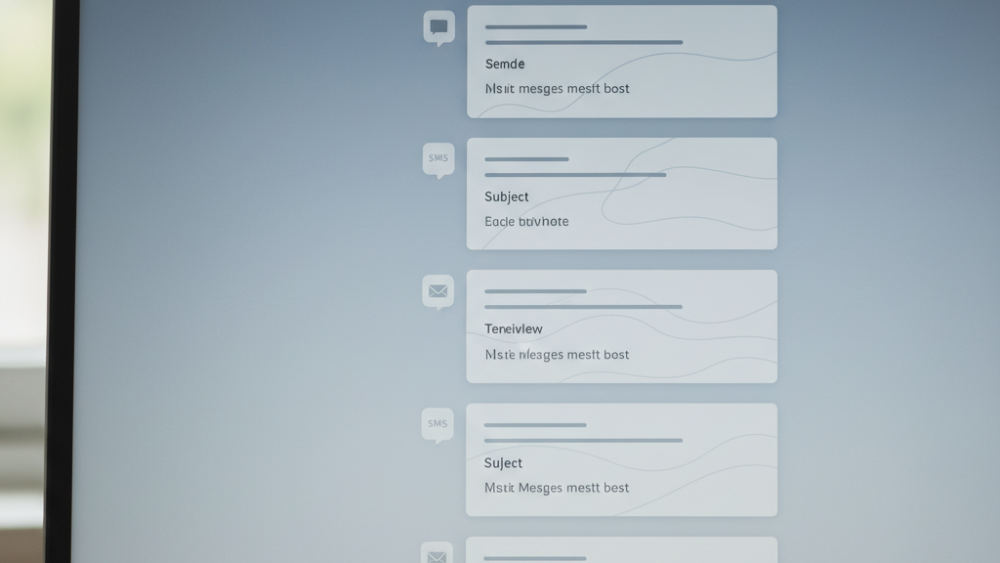
To achieve high velocity, you must replace fragmented tools with a consolidated system. You need CRM, funnels, and AI agents in one place. Many businesses struggle with a duct-taped tech stack. Their subscriptions for email, SMS, and landing pages simply do not communicate. A unified platform eliminates this friction. It provides a single visual dashboard to manage unlimited contacts and users without escalating costs. This consolidation reduces technical debt. It ensures that your data remains clean and actionable.
We provide built-in AI phone agents and voice assistants that qualify leads 24/7. They act as a tireless SDR team that never sleeps. These agents can handle initial discovery calls and book meetings directly into your calendar. Our reputation management workflows also assist sales by automating review disputes and boosting your local SEO credibility. This makes it easier for new leads to find and trust your brand. To see how these tools work in a live environment, you can start your 14-day free trial and explore the full suite of automation features. By leveraging these advanced AI agents and booking studio tools, your business can scale its sales volume without the traditional overhead of hiring a massive team.
Frequently asked questions
What is an all in one sales and marketing platform?
An all-in-one platform is a single software solution that combines CRM, email marketing, funnels, and automation into one interface. These systems reduce software bloat by consolidating 5 to 10 different subscriptions into one monthly bill. Automated Sales Machine offers this as a flat-rate $150/mo AI Operating System with unlimited users.
What is an all in one marketing and sales platform?
This platform type synchronizes lead generation with closing tools to ensure no data is lost during the handoff. It replaces the need for separate tools for SMS, websites, and reputation management. Users can manage their entire customer lifecycle from a single visual dashboard rather than toggling between disconnected apps.
What are good quizzes to make for lead qualification in an inside sales workflow?
Effective quizzes include Budget & Scope Assessors to qualify lead value and Problem-Solution Matchers to identify pain points. Quizzes should provide immediate value to the user while capturing CRM data. Automated systems can then trigger different follow-up sequences based on the specific results.
How does inside sales differ from outside sales?
Inside sales is conducted remotely via digital tools, whereas outside sales involves travel and in-person meetings. The inside sales model is generally more cost-effective, allowing for a significantly higher number of daily outreach attempts. Outside sales is typically reserved for extremely high-ticket enterprise deals that require a physical presence to close.
Stop overpaying for per-user CRM seats and fragmented marketing tools that don’t talk to each other. You can consolidate your entire sales engine and unlock 24/7 lead qualification by choosing to start your 14-day free trial with Automated Sales Machine today.