
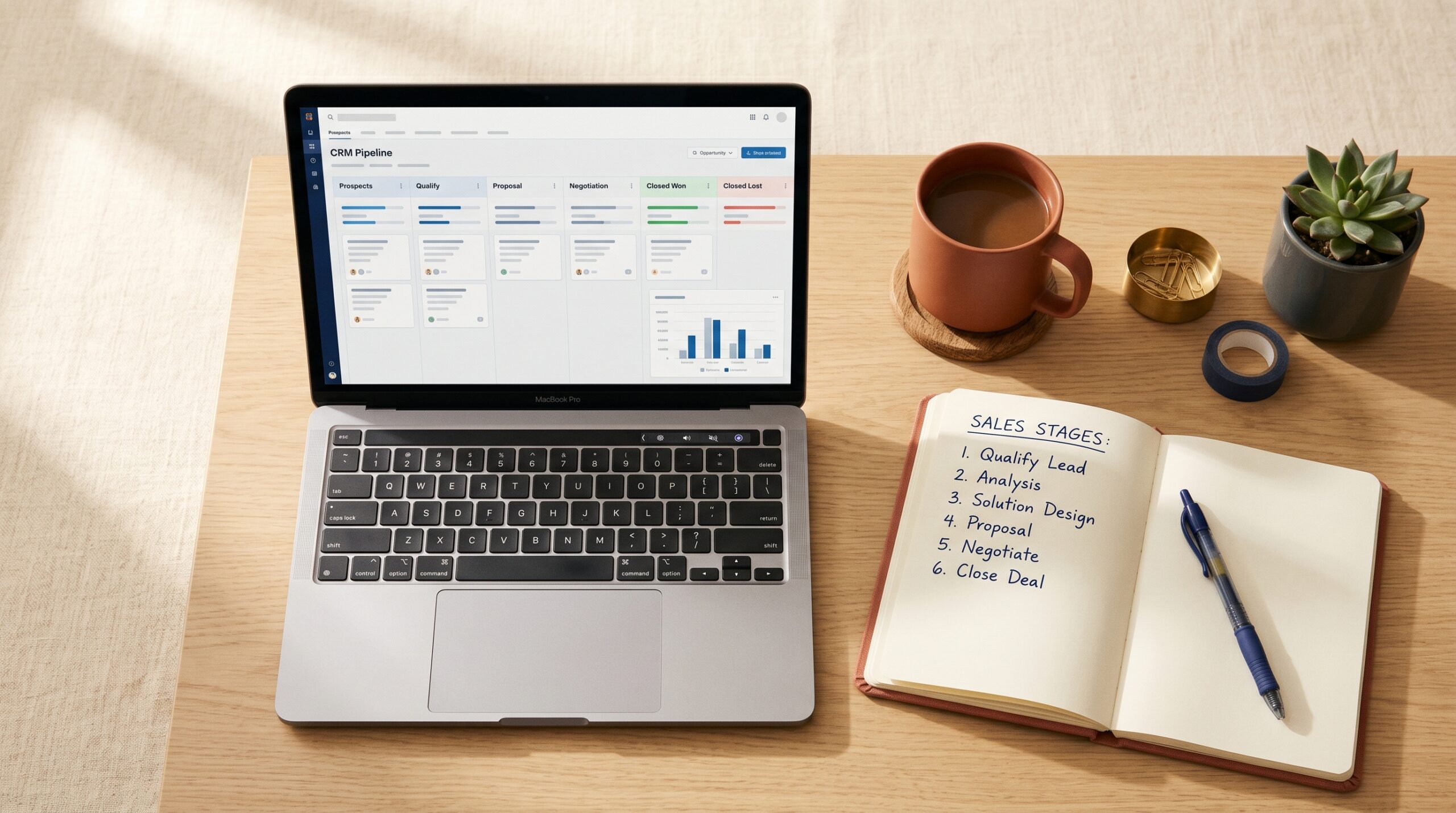

Building a sales pipeline for small business is one of the highest-leverage moves you can make — and most owners get it wrong. I know because I’ve been on both ends of that spectrum. After 20 years building businesses — from ecommerce stores doing serious volume to a SaaS platform where users processed over $20 million a year in course sales — I can tell you that a structured pipeline is the difference between predictable revenue and chaos. Not someday — right now.
This isn’t a theoretical post. I’m going to walk you through exactly how I think about pipelines, how I’ve set them up across different businesses, and what I’d do if I were starting fresh today.
Why Most Small Business Sales Pipelines Fail
Let me be blunt: most small business pipelines fail because they’re built for comfort, not for closing. Business owners set up a few stages in a tool, move leads through occasionally, and then wonder why revenue is unpredictable.
When I was leading the tech team at Launch Cart — a bootstrapped startup competing directly with Shopify — we were obsessed with pipeline visibility. Not because we loved process, but because we were burning through runway and needed to know exactly where every deal was at all times. That pressure taught me more about pipeline discipline than any book ever could.
Here’s what kills pipelines in small businesses specifically:
- Too many stages. I’ve seen pipelines with 12 stages. Nobody maintains a 12-stage pipeline. Five to seven is the sweet spot.
- No follow-up rules. Leads sit in a stage for weeks with no action. The money is in the follow-up — always has been.
- Manual everything. If moving a lead requires three clicks and a note, it won’t happen consistently. Automation is not optional at scale.
- No ownership. In solo operations especially, “the pipeline” becomes a graveyard because no one is accountable for moving it.
If any of those hit close to home, you’re not alone. Let’s fix it.
The Anatomy of a Sales Pipeline for Small Business That Actually Works
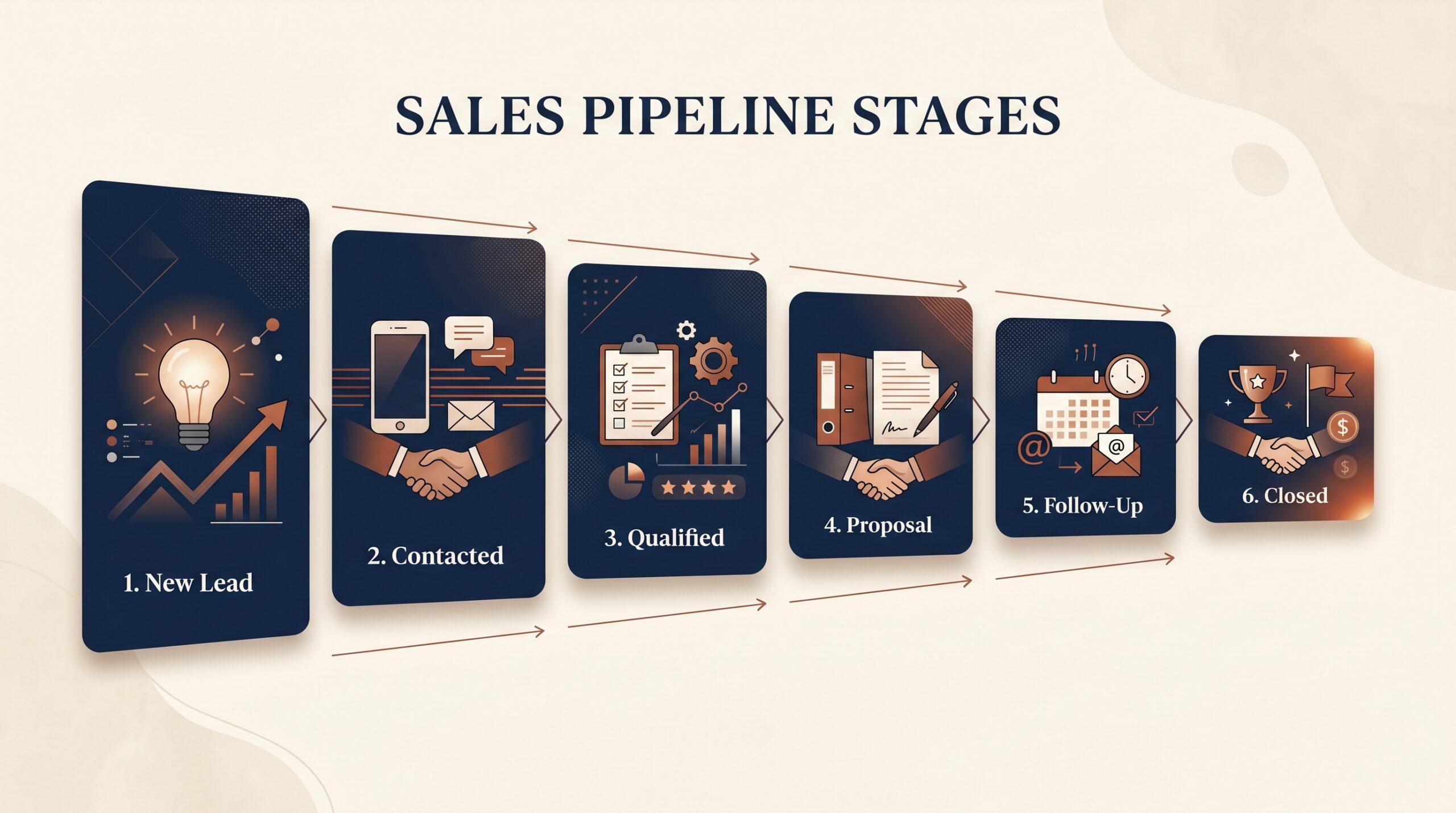
A sales pipeline for small business doesn’t need to be complicated. It needs to be honest. Every stage should represent a real action that has happened — not a hope. Here’s the framework I use and recommend:
Stage 1: New Lead
This is the top of the funnel. Someone filled out a form, called your number, clicked an ad, or got referred. They are a lead — nothing more. The only job here is speed: how fast can you make first contact? Missing that first call can kill a deal before it starts — a text-back automation alone has recovered significant revenue for businesses I’ve worked with.
Stage 2: Contacted
You’ve reached them. You’ve had a real exchange — a call, a reply to an email, a text conversation. This is not “I sent an email.” This is “they responded.” That distinction matters more than people realize.
Stage 3: Qualified
You know they have a problem you can solve, a budget in range, and some intent to move. This is where a lot of businesses skip ahead too fast. I’ve made that mistake — spent two hours with a prospect only to find out they had a $200 budget for a $2,000 solution. Qualification saves time for everyone.
Stage 4: Proposal / Demo Sent
You’ve made an offer, sent a proposal, or run a demo. Something concrete is on the table. If you’re running a pipeline tool that tracks this properly, you should be able to see exactly how long deals sit at this stage and where they stall.
Stage 5: Negotiation / Follow-Up
They haven’t said yes yet, but they haven’t said no either. This is where most deals are won or lost. The fortune, as the old saying goes, is in the follow-up. I’ve closed deals on the 9th follow-up. I’ve also closed deals in 20 minutes. The system has to handle both.
Stage 6: Closed Won / Closed Lost
Binary outcome. Every lead ends here eventually. Tracking your close rate and your loss reasons is where your pipeline starts teaching you things — what to fix in your pitch, where leads drop off, which sources convert best.
The Follow-Up System That Runs in the Background
Here’s something I learned when we were running a dropshipping operation spending over $100,000 a day on Facebook ads: at scale, you cannot rely on humans to follow up manually. Period. The cost of a missed follow-up is not just one lost sale — it’s the ad spend you already paid to get that lead.
Even at small-business scale, the math is the same. If you’re spending $20 in time or money to get a lead and you don’t follow up three times, you just threw away $20. Multiply that across a month and you’ve got a real problem.
My approach to follow-up inside a sales pipeline for small business now looks like this:
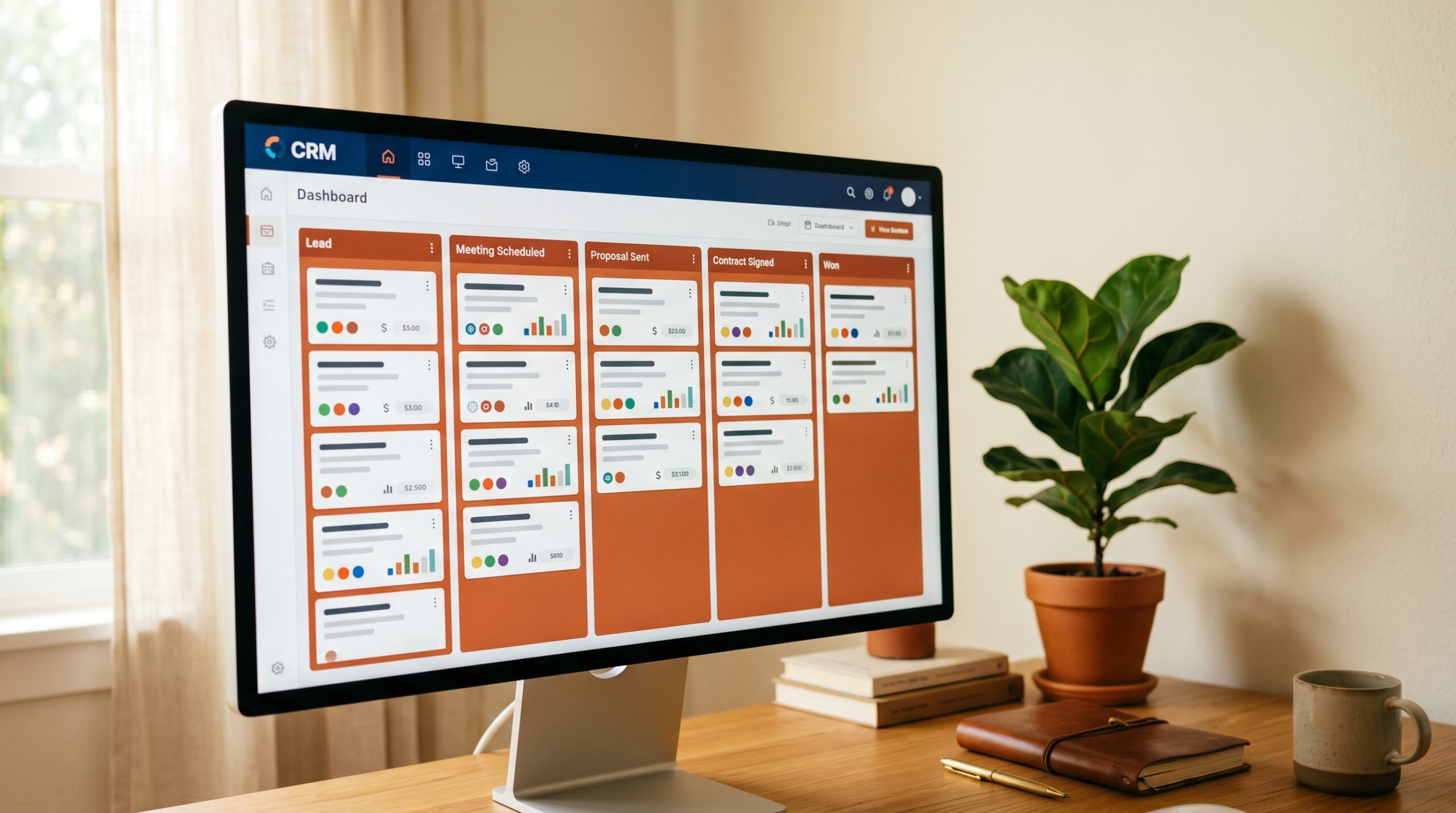
- Immediate response: Auto-text or email within 60 seconds of a new lead coming in. Automations handle this — a human should never be the bottleneck on a first response.
- Day 1, Day 3, Day 7 sequences: If no response after the first touch, automated follow-up goes out on these cadences. Not spammy — genuinely useful messages that build on each other.
- Human flag at Day 10: If a lead still hasn’t moved after 10 days, I want a person looking at it. Some leads need a phone call, not another email.
- Long-term nurture: Leads that go cold don’t get deleted. They go into a longer-play email and SMS nurture sequence that keeps the brand warm. I’ve had leads convert six months after first contact because we stayed in their inbox.
According to research from Harvard Business Review, companies that respond to leads within an hour are nearly 7x more likely to have a meaningful conversation. That’s not a new stat, but it still holds — and most small businesses still ignore it.
What Tools You Actually Need (And What You Don’t)
I’m going to save you a lot of tool-shopping time: you do not need 6 different apps to run a solid small business sales pipeline. I’ve seen people use Notion, Google Sheets, Trello, a CRM, a separate email tool, and a calendar app — all to do what one integrated platform should handle.
Here’s what the stack needs to do, at minimum:
- Store contact records with full conversation history
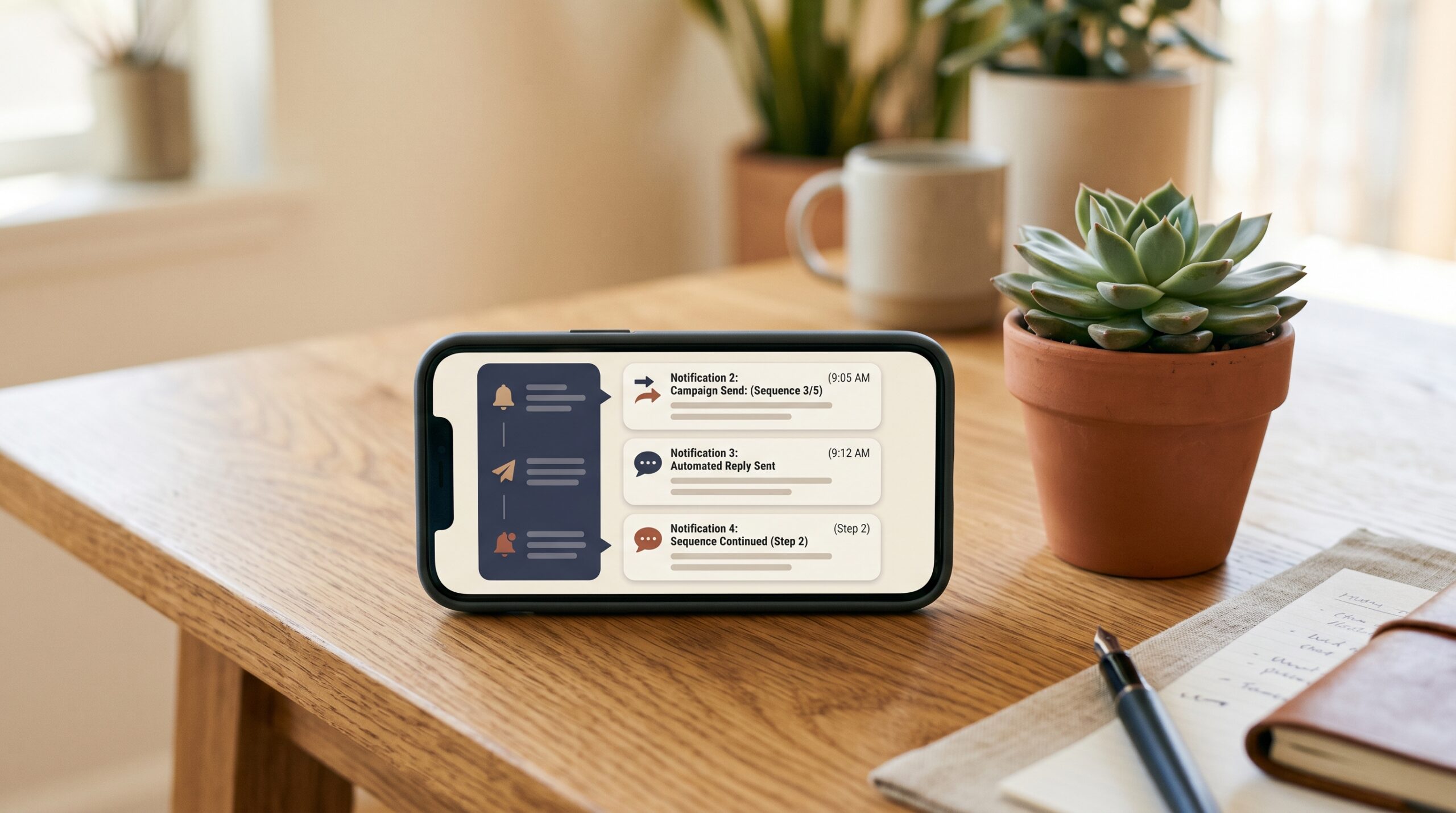
- Show your pipeline visually (drag-and-drop is not optional — you’ll actually use it)
- Trigger automations based on pipeline stage changes
- Send email and SMS from the same place
- Book appointments and sync to your calendar
If your current setup doesn’t do all five of those things in one place, you’re creating friction that will kill your pipeline discipline. A proper CRM built for small businesses does all of this — and it doesn’t have to cost enterprise money to do it.
If you’re coming from HubSpot and feeling the price pressure, you’re not alone. There are solid alternatives that don’t require a VP of RevOps to manage. I’ve used a lot of them. The right tool is the one your team will actually open every day.
How to Fill Your Pipeline in the First Place
A beautifully structured pipeline with zero leads in it is just a pretty empty box. The other half of this equation is getting leads in — and that’s a topic worth its own deep dive. But at a high level, the businesses I’ve seen fill their pipelines most consistently do a few things right:
They have a clear, specific offer. Not “we help businesses grow” — but “we help HVAC contractors in the Southeast book 10 more jobs per month.” The narrower the offer, the easier it is to fill the top of the pipeline because every lead knows immediately if they qualify.
They run a real lead generation system, not just random activity. Whether it’s SEO, paid ads, referrals, or outbound — there’s a repeatable process that runs consistently, not just when they need revenue.
And they make sure every lead from every source lands in the same pipeline, not scattered across different inboxes and spreadsheets. That single-source-of-truth principle is what makes a pipeline actionable instead of aspirational.
The Metrics That Tell You If Your Pipeline Is Healthy
Once your pipeline is running, here’s what I actually look at to judge whether it’s working:
- Lead-to-contact rate: What percentage of new leads do you actually reach? Below 60% means your first-response speed or method is broken.
- Stage conversion rates: Where are leads dropping off? If 80% of deals stall at “Proposal Sent,” your proposal has a problem — not your pipeline.
- Average deal time: How many days from first contact to close? Knowing this tells you how to forecast revenue and how long your follow-up sequences need to run.
- Close rate by source: Are Facebook leads closing at the same rate as referrals? Usually not. Knowing this tells you where to spend your next marketing dollar.
- Revenue in pipeline: The total potential value of all active deals. Healthy small businesses typically want 3–5x their monthly revenue target sitting in the pipeline at any given time.
If you’re not measuring these, you’re flying blind. The good news is that any decent pipeline management tool will surface most of these automatically once your data is clean.
One More Thing: Don’t Over-Engineer It at the Start
I’ve coached enough small business owners to know that “pipeline design paralysis” is real. People spend three weeks choosing tools and mapping stages and never actually put a single lead through the system.
Start with five stages. Pick one tool. Get five leads in it today. Move them through manually for the first two weeks — that hands-on experience will teach you more about what your pipeline needs than any template. Then layer in automation once you understand the human version of the process.
If you’re looking for a platform that doesn’t require a six-month implementation and a dedicated IT person, it might be worth comparing what modern small business CRM platforms offer versus the legacy tools. The landscape has changed a lot in the last few years.
Frequently Asked Questions
What is a sales pipeline for small business and why does it matter?
A sales pipeline for small business is a visual system that tracks every potential customer from first contact to closed deal, organized by stage. It matters because it replaces guesswork with data — you can see exactly where deals are, where they’re stalling, and what needs to happen next. Without a pipeline, most small businesses run on memory and hope, which doesn’t scale.
How many stages should a small business sales pipeline have?
Five to seven stages is the sweet spot for most small businesses. Fewer than five and you lose visibility into where deals are stalling. More than seven and the pipeline becomes a maintenance burden that people stop using. Start simple: New Lead, Contacted, Qualified, Proposal Sent, Follow-Up, and Closed (Won or Lost).
How do I automate my sales pipeline follow-up without sounding robotic?
The key is writing your automated follow-up messages in the same voice you’d use in a real conversation. Avoid corporate language. Reference the specific thing they inquired about. Space out your messages — day one, day three, day seven — so you’re persistent without being pushy. The best automated sequences feel like they came from a person who actually cares, because the content does.
What’s the biggest mistake small businesses make with their sales pipeline?
Not following up enough. The data consistently shows most sales happen after the fifth contact, but most small business owners give up after one or two attempts. Setting up an automated follow-up sequence that runs for 10–14 days without requiring manual action every time is the single highest-impact change most businesses can make to their pipeline.
Do I need expensive software to run a sales pipeline for small business?
No. You need software that combines your CRM, pipeline view, automation, and email/SMS in one place — but that doesn’t have to be expensive. The tools that used to cost $1,000/month for enterprise teams are now available at small-business prices. The real cost isn’t the software — it’s the leads and revenue you lose by not having a system at all.
Ready to Actually Close More Deals?
Twenty years in, the businesses I’ve seen grow consistently aren’t always the ones with the best product or the biggest ad budget. They’re the ones with the most disciplined pipeline process — and usually, the fastest follow-up.
If you’re serious about getting a real sales pipeline set up for your small business, I’d start by looking at what Automated Sales Machine offers. It’s built for exactly this: CRM, pipeline management, automations, and email and SMS — all in one place, without enterprise-level complexity or pricing. Take a look at the pricing and see if it fits where you are right now. No hard sell — just a tool I’d genuinely recommend to any small business owner trying to get their pipeline under control.