

moop: The Best Text-Only Social Network Worth Trying

moop — A social network without media
162 upvotes · #7 Product of the Day — View on Product Hunt
moop is a text-only social network designed to break the cycle of algorithmic feeds, infinite scrolling, and image-driven engagement metrics. By eliminating photos, videos, and recommendation algorithms, this moop social network platform focuses on what users actually want to share: curated collections of books, places, ideas, and moments worth remembering. Still in alpha stage with 162 Product Hunt votes, moop represents a growing counter-trend to mainstream social media.
Topics: Social Media, Books
The Problem: Social Media Designed Against Human Attention
For over a decade, social media platforms have optimized for engagement metrics rather than user wellbeing. Algorithmic feeds keep users scrolling longer, video autoplay dominates timelines, and the pressure to produce high-quality media has transformed social sharing into a performance art form. The result: doom-scrolling, comparison anxiety, and platforms designed to be psychologically addictive rather than enriching.
Users have noticed. The past five years have seen a resurgence of interest in decentralized networks (Mastodon), curated bookmarking tools (Are.na), niche communities (Letterboxd for films, Micro.blog for blogging), and now, text-only alternatives like moop. These platforms share a common thesis: constraint breeds quality.
What Is moop?
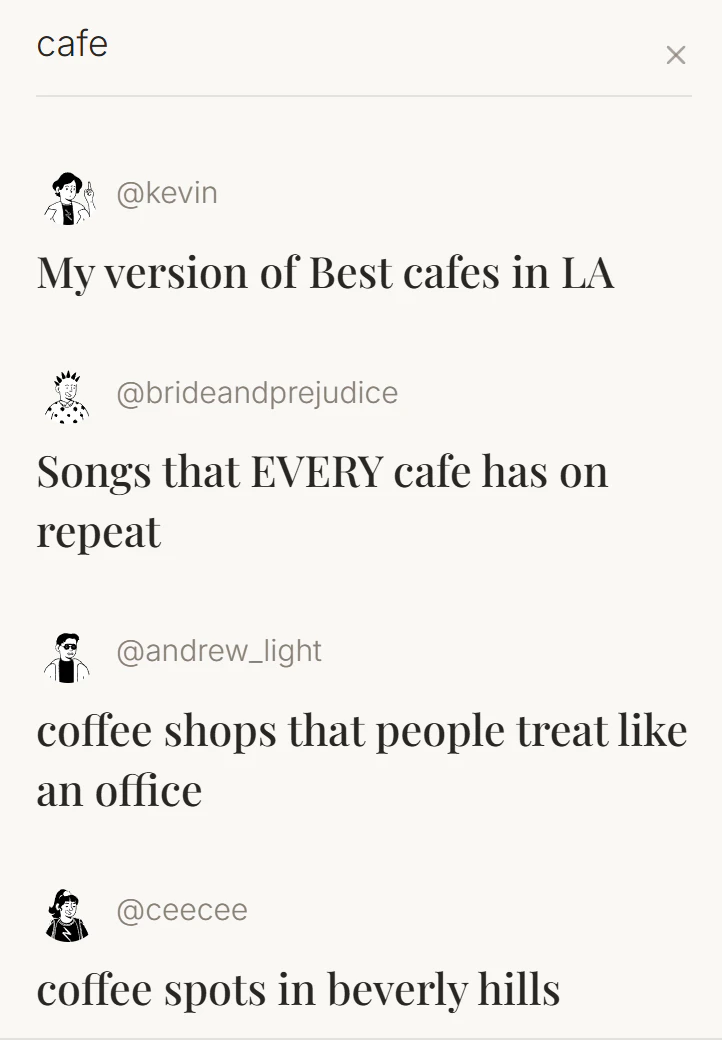
moop is a minimalist social network where users create profiles centered on personal interests rather than broadcasted content. Instead of posting photos or waiting for algorithmic recommendation, users build public lists of what they’re into: coffee shops they love, book recommendations, philosophy concepts, travel destinations, recipes, or any idea worth sharing. Other users can follow these lists, leave comments, and discover new things through human curation rather than algorithmic suggestion.
The interface reflects its philosophy: clean, text-forward, and deliberately slow-paced. There are no engagement metrics displayed prominently, no like counters to chase, no infinite scroll luring users deeper.

How moop Works in Practice
Setting up a moop account begins with identifying your interests and creating lists. A user might create a list titled “Overlooked SF Neighborhoods,” populate it with 10–15 places they’ve discovered, add descriptions and context for each entry, and share the list publicly. Other users who follow that account see these lists on their dashboard, can explore the person’s collections, and may leave thoughtful comments.
The core feature is asynchronous and intentional. There’s no news feed demanding constant updates, no algorithm deciding what appears in your view. It’s closer to a curated newsletter or a Tumblr-era interest blog than Instagram.
Who Is moop For?
- Information curators and researchers who want to organize public knowledge without the distraction of engagement metrics.
- Niche community members such as book enthusiasts, travel bloggers, and design professionals who prefer curated recommendations over algorithmic noise.
- Users fatigued by algorithm-driven platforms who want to control what they see and avoid being nudged by recommendation engines.
- Professionals building thought leadership through intentional writing and curation, without the pressure to produce media assets.
Alpha Stage: Real Limitations
moop is transparent about its current maturity. With 162 Product Hunt votes at launch, the platform is early-stage. This means:
- The user base is small, limiting the diversity and volume of available lists to discover.
- Features are likely to change significantly based on user feedback before a stable 1.0 release.
- Network effects—the primary value driver of social platforms—take time to build.
- There’s no guarantee of long-term viability; many early-stage social products shut down.
For serious use, moop today is best viewed as an experimental space for communities with high commitment to the platform’s philosophy, not as a replacement for established social media presence.
moop vs. Alternatives
| Platform | Content Type | Feed Algorithm | Primary Use | Network Size |
|---|---|---|---|---|
| moop | Text, lists, ideas | None (chronological) | Curation and inspiration | Very small (alpha) |
| Mastodon | Text, images, video | None (chronological) | Decentralized social media | Small but growing |
| Are.na | Images, links, text | None (search/browse) | Visual research and curation | Design/creative professionals |
| Letterboxd | Film reviews and ratings | Mild (recommendations) | Film curation and discussion | 1M+ active users |
| Micro.blog | Microblogging, essays | None | Indie blogging and community | Small but dedicated |
For businesses managing social media management across multiple channels, understanding text-first platforms like moop offers insight into emerging user preferences and niche community building that can inform content strategy. Similarly, teams using marketing automation to reach audiences should monitor where niche, high-intent users are spending attention.
Pros and Cons
Pros:
- Removes algorithmic manipulation and dark engagement patterns
- Text-only constraint rewards thoughtfulness over virality
- Levels the playing field — no media production required to participate
- Higher signal-to-noise ratio than mainstream social platforms
- Honest about its alpha stage and limitations
Cons:
- Very small user base limits serendipitous discovery
- Active curation required — no passive scrolling value
- No guarantee of long-term viability or funding
- No mobile app optimized for the experience
- No clear monetization model disclosed
Verdict: Worth an Experiment, Not Yet a Foundation
moop represents a genuine alternative to algorithm-driven social media, appealing to users who prioritize intentional curation over engagement maximization. Its text-only, constraint-based design philosophy aligns with growing skepticism toward manipulation-prone platforms.
However, at alpha stage with a small user base, moop is not yet a stable platform for critical business activities. Teams relying on Automated Sales Machine or similar platforms for brand management should monitor moop as an emerging trend but not prioritize it over established channels.
For early adopters willing to contribute to a new community and experiment with text-first sharing, moop deserves attention. For everyone else, it’s worth bookmarking and revisiting in 12 months when the network effect has had time to compound.
Check out moop on Product Hunt or visit the official moop website to learn more.